Why Linen Is Sustainable
Linen is more than a timeless textile. Made from the flax plant, it is a natural fibre valued for its distinctive texture, durability and connection to nature. Here is why linen continues to be an important choice in the movement toward more responsible textiles.

What Makes Linen Sustainable?
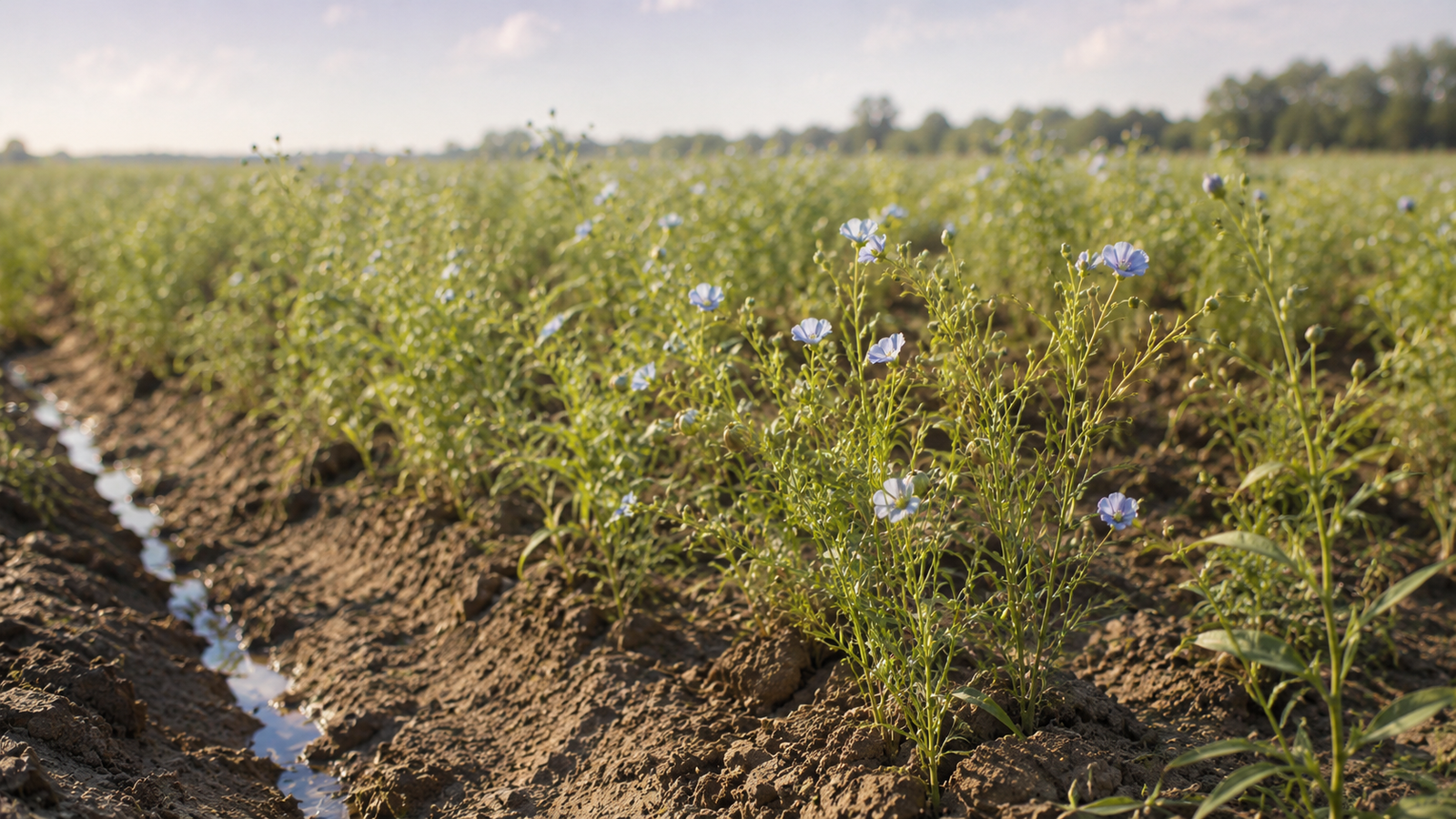
Linen is made from flax, a natural plant fibre that has been used for centuries. Its connection to an agricultural crop makes linen fundamentally different from textiles made from fossil-based synthetic fibres.
Sustainability is not simply about the fibre itself. The overall impact of a textile also depends on cultivation, processing, dyeing, finishing, transportation and how long the finished product is used.
A Natural Fibre With a Different Starting Point
Flax cultivation is often associated with comparatively modest water requirements, depending on the region, climate and farming practices. This makes responsible flax cultivation an interesting part of the conversation around lower-impact textiles.
Plant-Based Fibre
Linen comes from flax, giving it a natural origin rather than a petroleum-based synthetic origin.
Natural Resource
Flax is an agricultural crop whose cultivation can be integrated into responsible farming practices.
Less Reliance on Synthetics
Choosing natural fibres can be part of a broader strategy to diversify textile materials beyond fossil-based synthetics.
A Journey From Plant to Textile
Linen's story is visible in the material itself — from the flax plant through fibre and yarn to the finished woven fabric.

Flax
The natural plant from which linen fibre originates.
Fibre
Natural flax fibres are prepared for textile production.
Yarn
The prepared fibres are spun into yarn for weaving or knitting.
Fabric
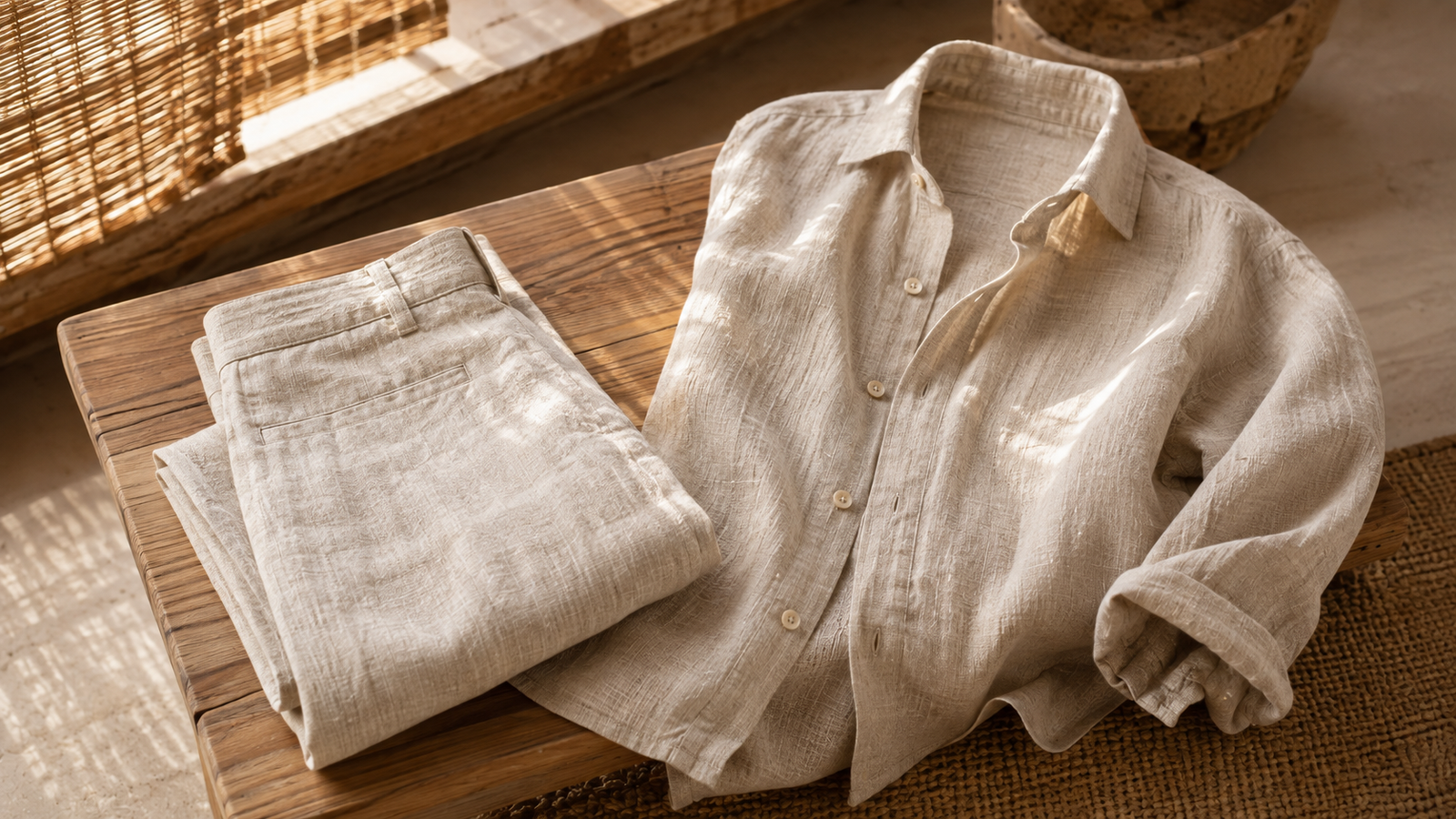
The yarn becomes the familiar textured linen textile.
Durability Is Part of Sustainability
One of the most practical ways to reduce textile waste is to keep products in use for longer. Linen is known for its strength and can develop a distinctive character as it is worn and cared for.
A durable fabric combined with good garment construction and proper care can help extend the useful life of clothing and reduce the need for frequent replacement.

A Plant-Based Alternative
Linen is a natural cellulosic fibre derived from flax. Under suitable environmental conditions, natural fibres such as linen can biodegrade, unlike many conventional synthetic fibres that can persist much longer.
Of course, the end-of-life impact of any textile depends on what happens to the finished product, including dyes, finishes, blends and disposal conditions.

Why Linen Works for Modern Fashion
Sustainability does not have to come at the expense of style. Linen is appreciated for its breathability, natural texture, lightweight feel and distinctive appearance.
From shirts and trousers to kurtas, dresses and premium everyday wear, linen can bring a relaxed yet refined character to modern collections.
Why Linen Matters in Sustainable Textiles
Linen is not a single solution to textile sustainability. It is one natural fibre that can contribute to a more considered approach to material selection, product longevity and responsible design.
Natural Origin
Derived from flax rather than fossil-based synthetic polymers.
Durable Character
Its strength can support longer-lasting textile products.
Timeless Appeal
A distinctive natural texture that works across seasons and styles.
Natural Fibre Story
A plant-based material with potential for responsible textile choices.
Bringing Linen Into Modern Textile Collections
At JAYRAAJ, we believe natural textiles can combine comfort, distinctive character and refined design. Our linen and linen-blend collections are developed for modern apparel and diverse textile applications, with attention to fabric construction, quality and buyer requirements.
Discover Our Linen Collections
Explore SUMAN TEX and JAYRAAJ textile collections or connect with our team to discuss linen and linen-blend fabric requirements.